The Cheap Tax: Why the Wrong Shortcuts Cost the Most
You’ve likely heard the famous quote: "If you think good design is expensive, you should look at the cost of bad design," attributed to Ralf Speth, or something very close to it. It’s not a novel idea to caution people from taking the shortcut or the cheap way out of a problem. However, after years of navigating the bones of 100-year-old homes and managing my own renovations, I’ve realized that quote isn't about being elitist—it’s a warning about the "Cheap Tax."
The Cheap Tax is the interest rate you pay when you choose a shortcut today that forces you to pay double (or triple) to fix it tomorrow. And sometimes it’s not a financial tax but an emotional or mental one. But here’s the secret: there is a massive difference between Smart Savings and Costly Shortcuts. I’ll share some cautionary tales and advice on where to invest and when to consider cheaper options below, so keep reading.
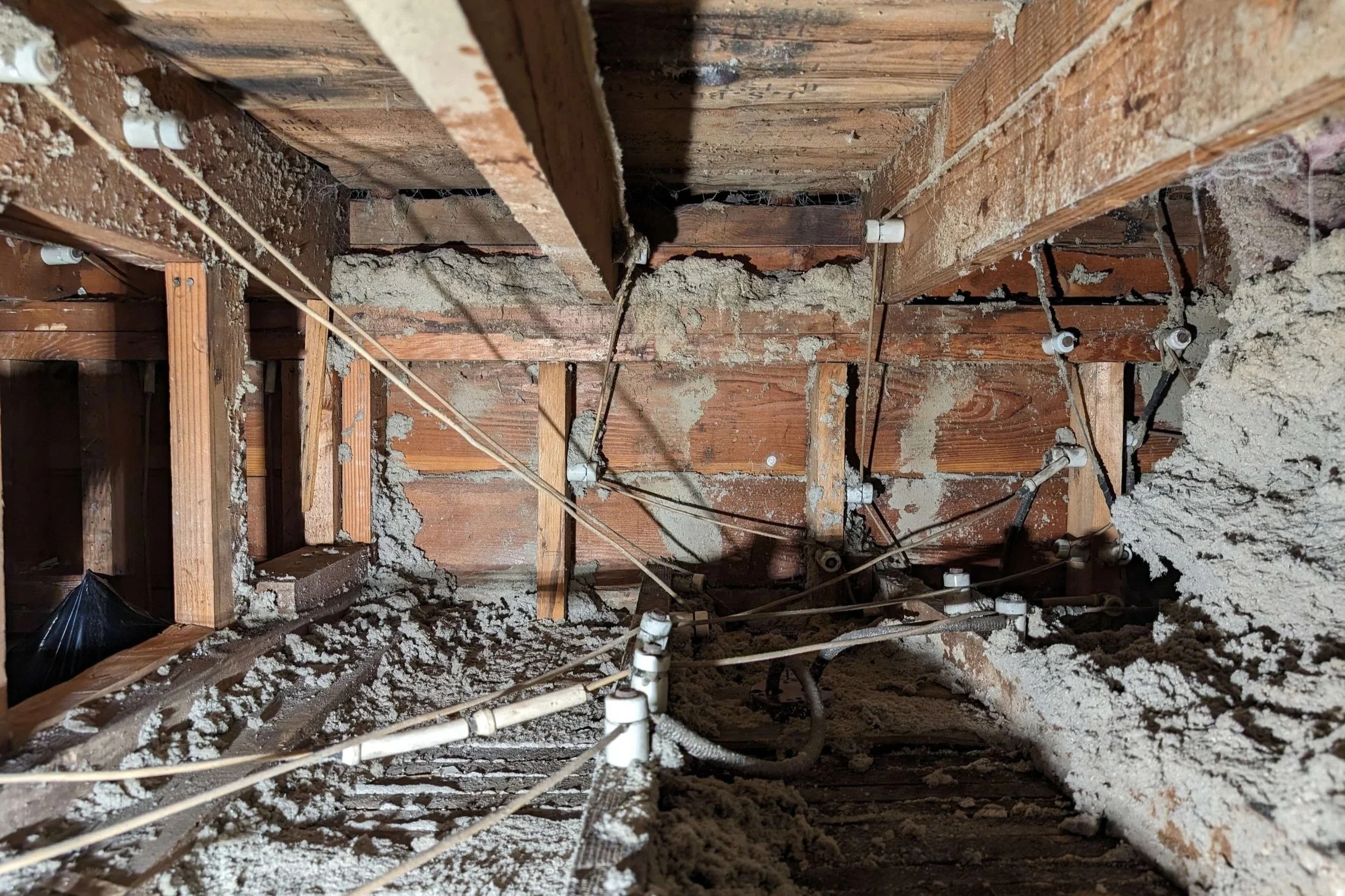
The Non-Negotiable: Kitchen Knob-and-Tube
When we renovated our own kitchen, we tore everything down to the studs. Exposed in the walls was a tangled history of old knob-and-tube electrical. See the image here of just some of the wiring we uncovered after removing the old insulation—which was a whole different mess to clean up (basically condensed dust, yuck). It’s fascinating and horrific!
Now, my husband spent years as an aircraft mechanic in the Air Force, so he has a deep respect for electrical systems. Between his background, our neighbor who is a general contractor, and my brother-in-law who is a commercial electrician, we were well-covered. He did the work correctly and had the city inspect every wire before the drywall went back up.
But I know there’s a world where someone might look at that old wiring and think, "Let's just move some wires and hook the new lighting up to the existing lines to save a few thousand dollars." That isn't a "savings"—it’s a fire hazard waiting to happen. If it lives behind a wall or under a floor, do it right the first time. You want the reassurance of knowing that what you don't see is just as solid as what you do.
The Costly Shortcut: The Painter and the Terracotta
Then, there is the other side of the coin. The "shortcut" that feels like a win in the moment but leaves you cringing every time you see the results.
I’ve been there myself. I once hired an “affordable” painter through a referral. I had a few warning signs early on—unprofessional behavior, treating the job as a side gig versus a real business, and a price that seemed almost too good—but I went for it anyway. What was supposed to be a two-day job stretched into a week.
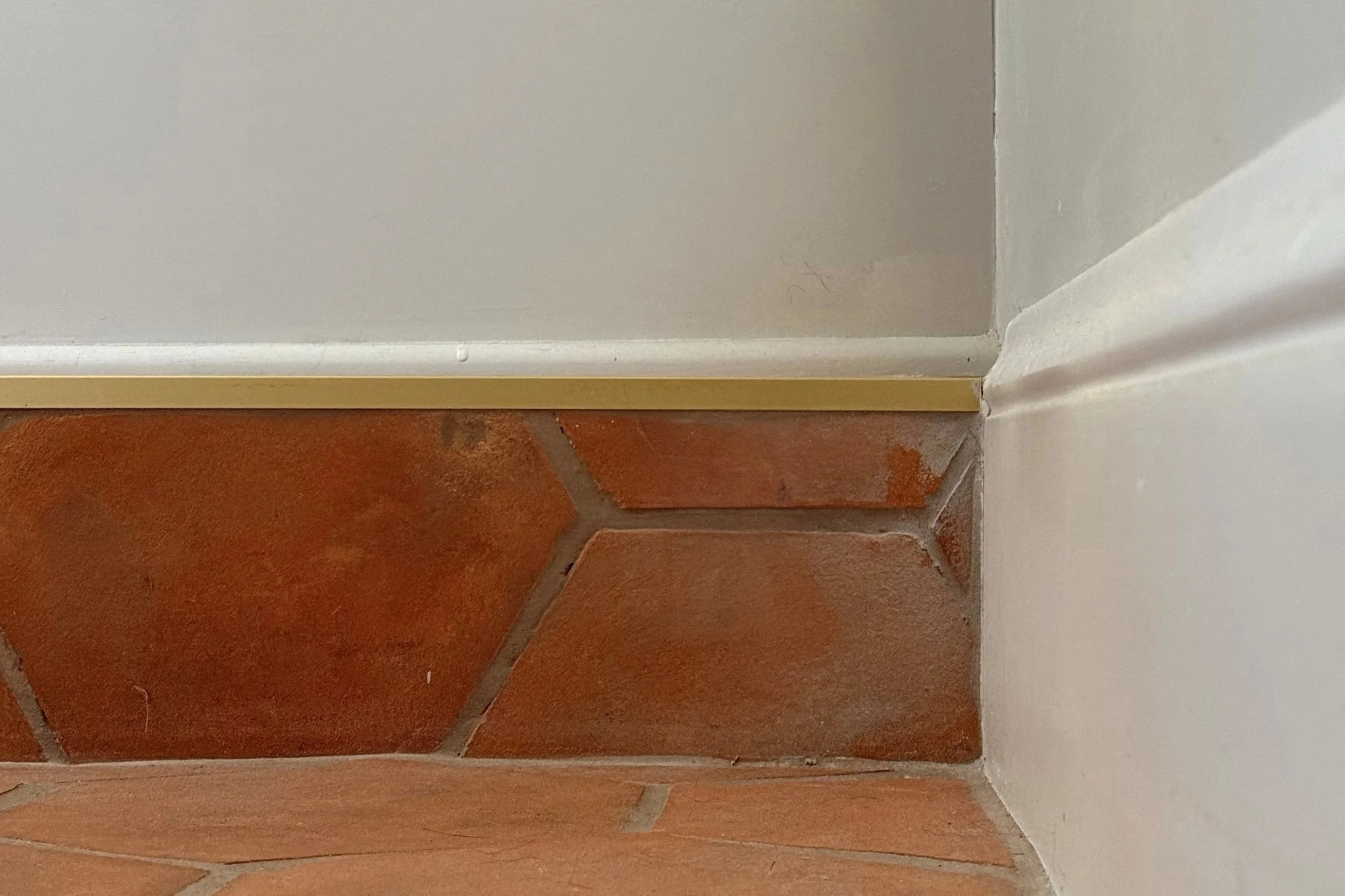
The result? Splotchy walls, spray overrun on my terracotta tiles, and paint on the molding and cabinets. Every time I walk by this corner (which is very often), I see that paint spray on the tile and I feel that "AUGH!" moment. I’ll eventually fix it, but life is busy and it’s simply not at the top of the list right now. It should have been done right the first time!
If I had paid for the professional with the reputable website and the solid recommendations, I would have saved five days of my life and the cost of eventually having to hire someone else to clean up the mess or finding the time to do it myself. That is the Cheap Tax.
The Smart Save: Knowing When to Let Go
Good design isn’t about spending the maximum amount of money on every single item. It’s about knowing which details carry the weight of the room—and which ones don’t.
Take, for example, a decision I made for my own bathroom remodel. I was eyeing a gorgeous, high-end, brass-framed shower grate that seamlessly tied into the tile in the shower pan. It was $500, would take weeks to be delivered, but undeniably beautiful. I knew I could find a more affordable option, maybe in the $100 range, but matching brass tones between different manufacturers can be notoriously difficult. I found myself trying to justify the expense: “I’ll forget the cost of this, I’m sure… I should just do it!”
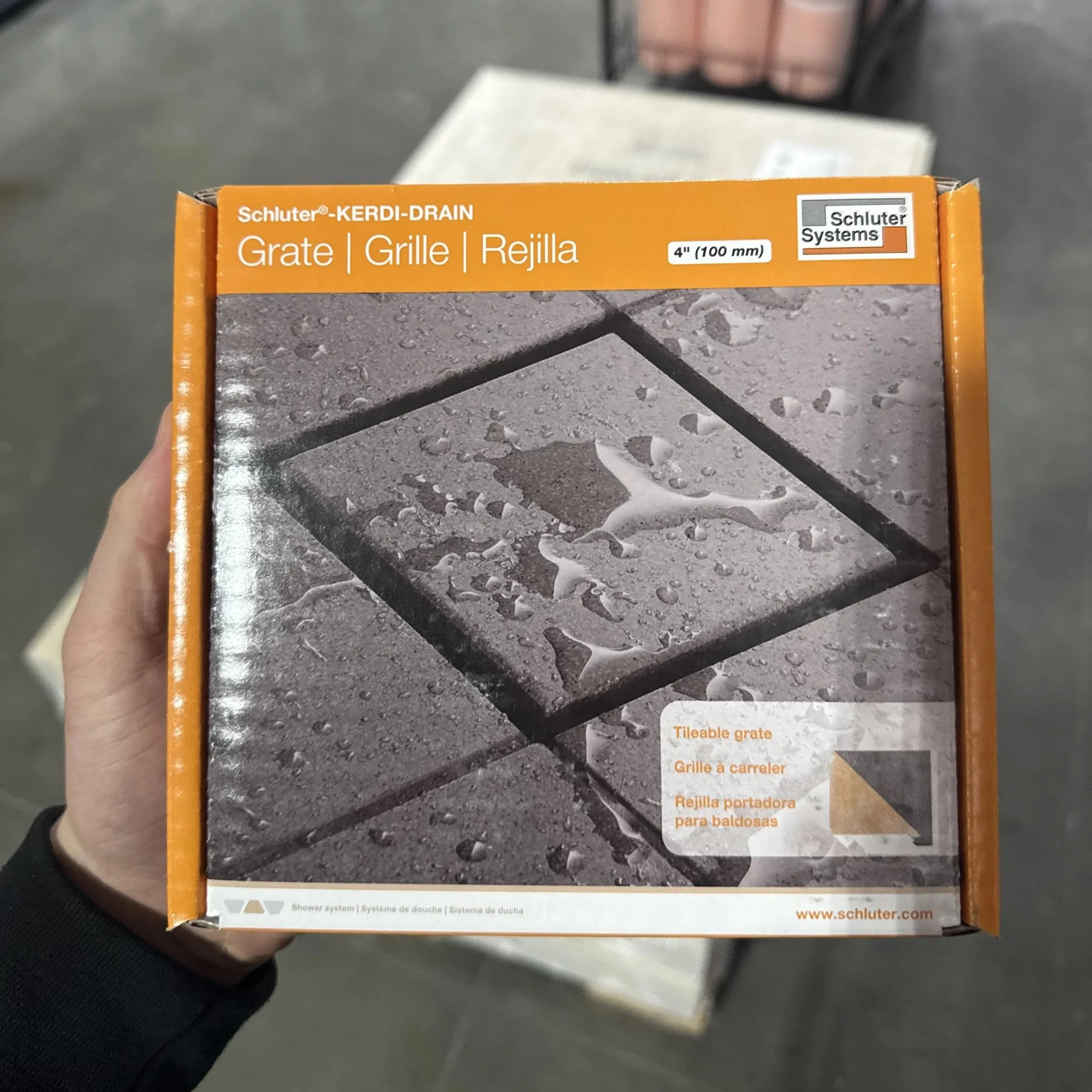
In a discussion with my tiler, he pointed me toward a different version: no brass framing, but it still achieved the same clean, hidden, tile-in look. The best part? It was $58, and he was able to pick it up that afternoon.
Uh yeah, I chose the $58 version without hesitation. Guys, it’s just a shower grate.
The lack of a brass rim didn't break the design or the integrity of the shower, and it functioned exactly the same. It spared me the headache of matching brass tones, saved me weeks of lead time, and was a conscious decision to put that $440 toward a place where it would have a much deeper impact. That is a smart save.
The Rediger Design Rule of Thumb
How do you know when to save and when to splurge? It comes down to Substance vs. Style.
1. Never Skimp on the "Bones"
Taking a shortcut here is just deferring a massive debt that will come due with the added interest of structural damage. This includes plumbing, electrical, waterproofing, and structural labor. If it lives behind a wall or under a floor, do it right the first time. You want to pay a professional to ensure that what you don't see stays working for the next fifty years.
2. Invest in the "Envelope"
The finish is only as good as what’s underneath it. This is where painting and tiling live. You might save $1,000 hiring a "budget" painter, but if they use the wrong exterior sheen for the Oregon rain, or skip the primer in a high-moisture bathroom, the paint will fail within a year. In these cases, you aren't just paying for the color; you’re paying for the prep, the product knowledge, and the durability. Skimping on the labor for your surfaces often leads to a "clean-up" bill that far exceeds the original quote.
3. Save on the "Jewelry"
Style is flexible; integrity isn't. You can find incredible, high-quality fixtures, hardware, and lighting at various price points. If a $58 tile-in drain or a $200 faucet functions perfectly and looks 90% as good as the $600 version, take the win! Choosing the smart aesthetic alternative isn't "cutting corners"—it’s being strategic with your budget so you can afford to do the "Bones" right.

Quiet Confidence in Your Investment
Designing with Quiet Confidence means having the discipline to be honest about your budget. It means knowing that you don't need the most expensive version of everything, but you do need the right version of the things that matter.
Don’t pay the Cheap Tax. Build it with intention, hire the pros for the hard stuff, and save your splurges for the moments that truly tell your story—and I bet it won’t be a shower grate. ;)
If navigating all of this—the technical "bones," the reliable trades, and the endless "splurge vs. save" decisions—sounds overwhelming? That is exactly why I do what I do. Hiring a designer isn’t just about picking paint colors; it’s about having a partner who knows how to balance the vision with the investment. I help my clients navigate these choices so they can skip the "AUGH!" moments and head straight to the finish line.
Listen—I’m human, too. I’ve absolutely splurged on a light fixture or a vintage rug that I definitely didn't "need," simply because it made my heart skip a beat. But the only reason those splurges feel like a win instead of a worry is because I know the foundations are solid. When you get the bones right, you’ve earned the right to obsess over the jewelry.
If you’re ready to build with intention and skip the 'Cheap Tax' on your next project, I’d love to help you find that perfect balance. You can share the details of your project with me here.
Questions About This Project
-
The Cheap Tax is what you pay when a shortcut taken today forces you to spend more — sometimes double or triple — to fix it later. It shows up as splotchy paint that needs to be redone, electrical work that has to be torn out and replaced, or finishes that fail within a year because the prep was skipped. The cost isn't always financial either. Time, stress, and living with results you cringe at every day are part of it too.
-
Anything behind a wall or under a floor — plumbing, electrical, waterproofing, and structural work — should always be done correctly and to code the first time. These are the bones of the house. Shortcuts here don't just defer the cost, they compound it, and they can create safety hazards that are far more expensive to address after drywall goes back up.
-
Hardware, fixtures, and decorative details are often where smart saves live. If a $58 drain functions identically to a $500 version and the visual difference is negligible in the finished room, that is not cutting corners — it is being strategic. The goal is to free up budget for the things that carry the most weight: labor quality, surface prep, and the materials that affect durability and daily function.
-
The framework is substance versus style. Splurge on the bones — the structural and mechanical systems that have to last decades. Invest in the envelope — the surfaces and finishes where poor prep or cheap labor will fail visibly within a year. Save on the jewelry — the fixtures, hardware, and accessories where quality options exist at a wide range of price points and the difference between a $200 and $600 version is often minimal in real life.
