Beyond the Swatch: Why "Warm" Paint Won't Fix a Cold Room
The Paint Trap
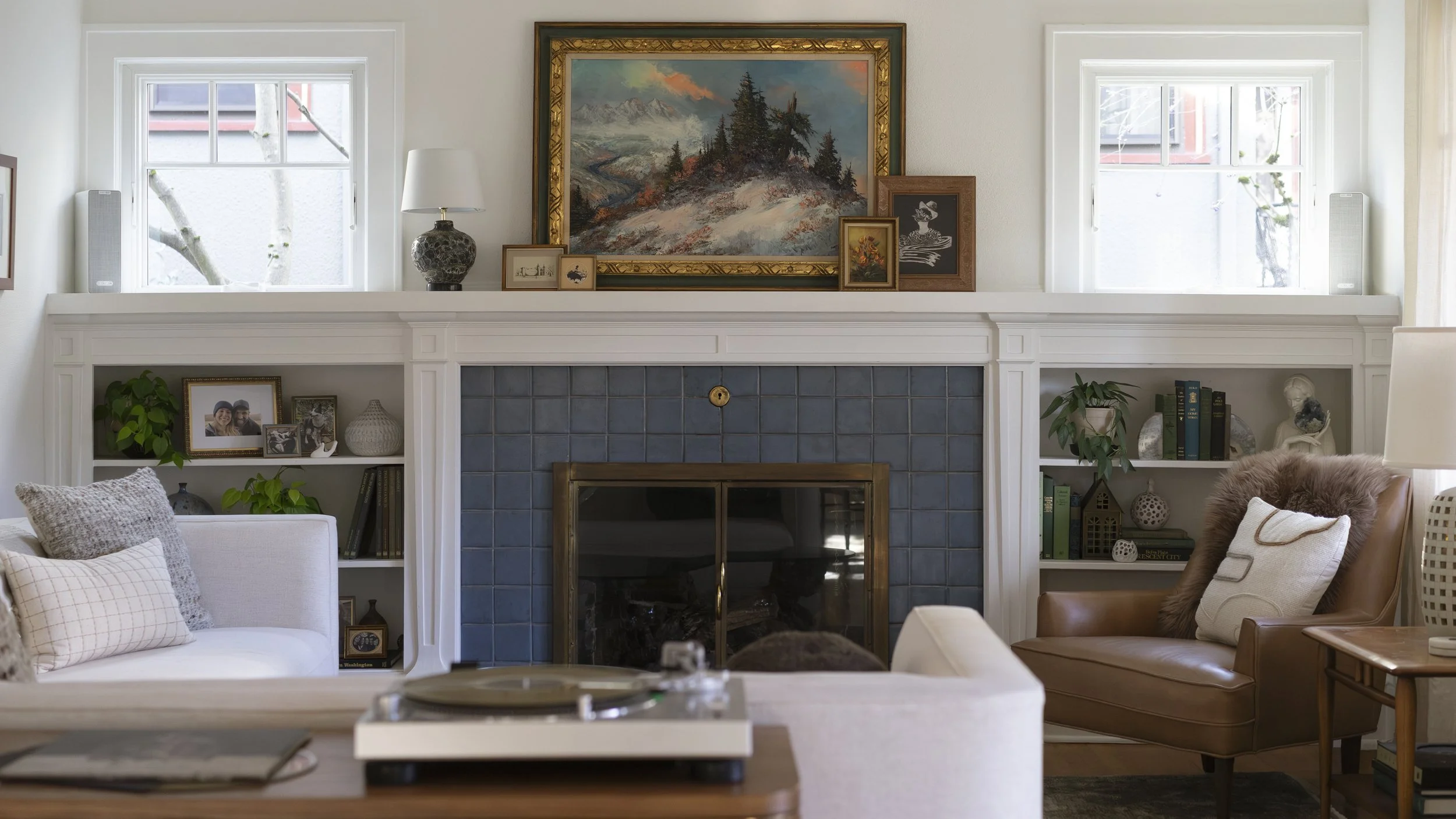
We’ve all been there — standing in the middle of a room with a handful of “warm white” paint swatches, convinced that the right undertone will finally make the space feel like a sanctuary. But here’s the professional secret: you can paint a room the most beautiful shade of terracotta or ochre, and it can still feel sterile, uninviting, and oddly…cold.
That’s because warmth isn’t a color—it’s a sensory temperature.
True coziness is built through layers — tactile materials, light quality, contrast, and intentional breathing room. When a space feels “off,” it’s rarely a failure of the paint. It’s a failure of the atmosphere. To move a room from flat and cool to grounded and inviting, we have to stop focusing on just the walls and start paying attention to how our materials feel, how our light glows, and where we’ve allowed for quiet zones to exist.
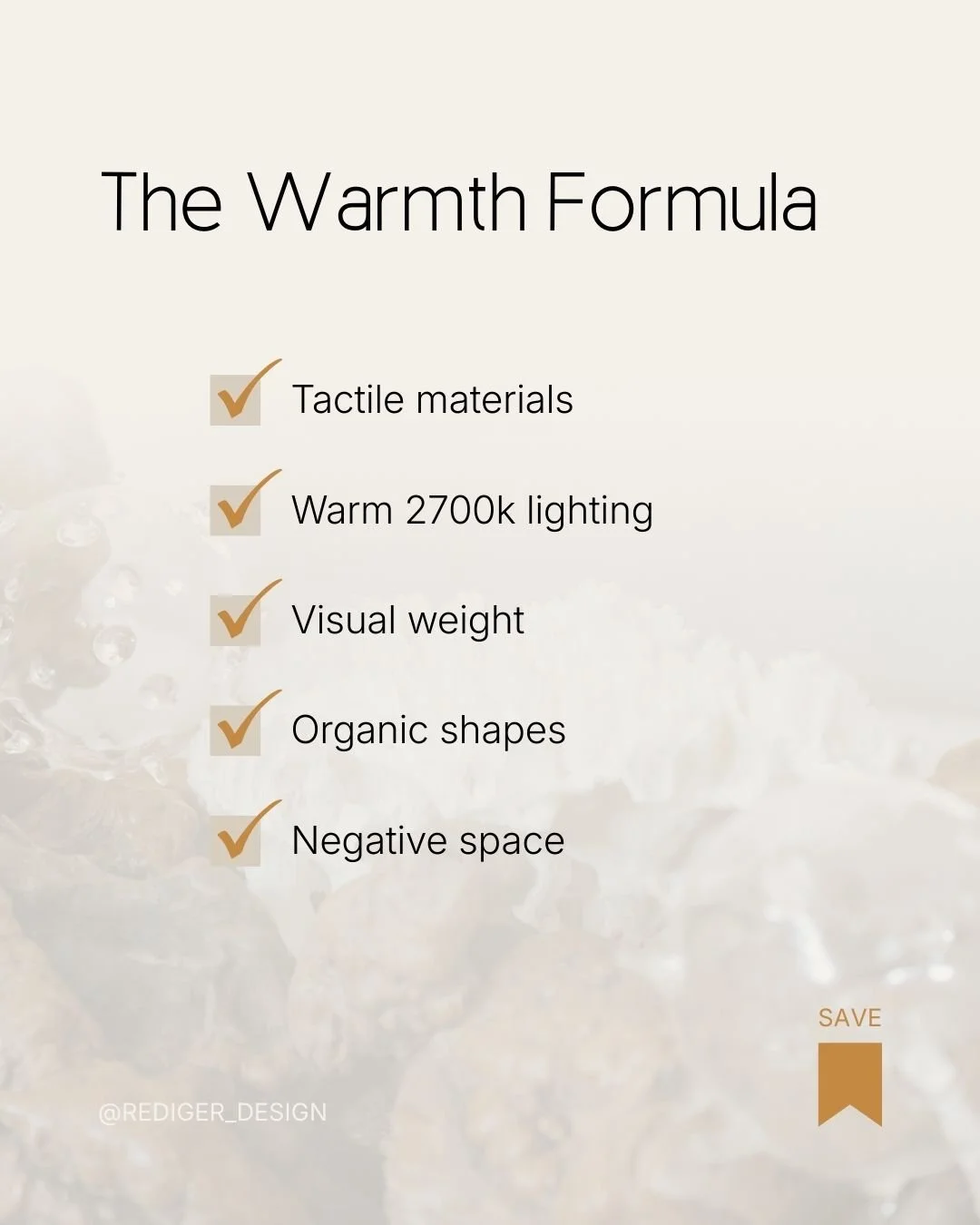
This is what I call The Warmth Formula — the designer pillars that create homes that feel just as good as they look.
The Physics of Texture
Not all materials feel the same — even when they’re the same color.
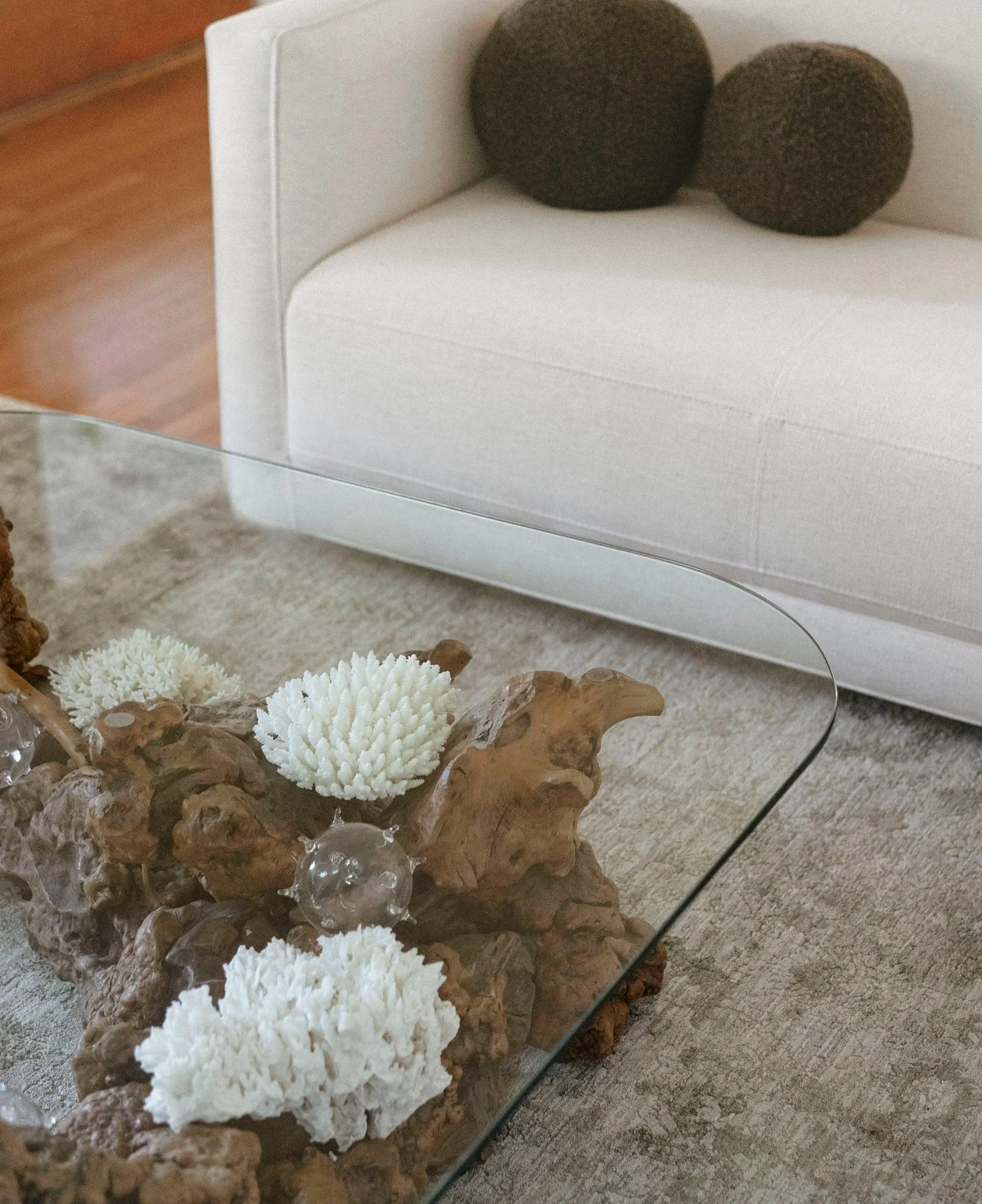
Hard, reflective surfaces like glass, marble, and polished stone register as “fast” and cool to the eye. They reflect light, feel sleek, and create visual sharpness. On their own, they can make a space feel clean — but also emotionally distant.
Warmth comes from contrast.
A stone countertop feels more inviting when paired with wooden stools.
A glass coffee table feels softer when grounded by a wool rug or linen textiles.
A modern sofa feels warmer with tactile pillows and layered throws.
The Designer’s Balance:
Every “cold” surface needs a living one.
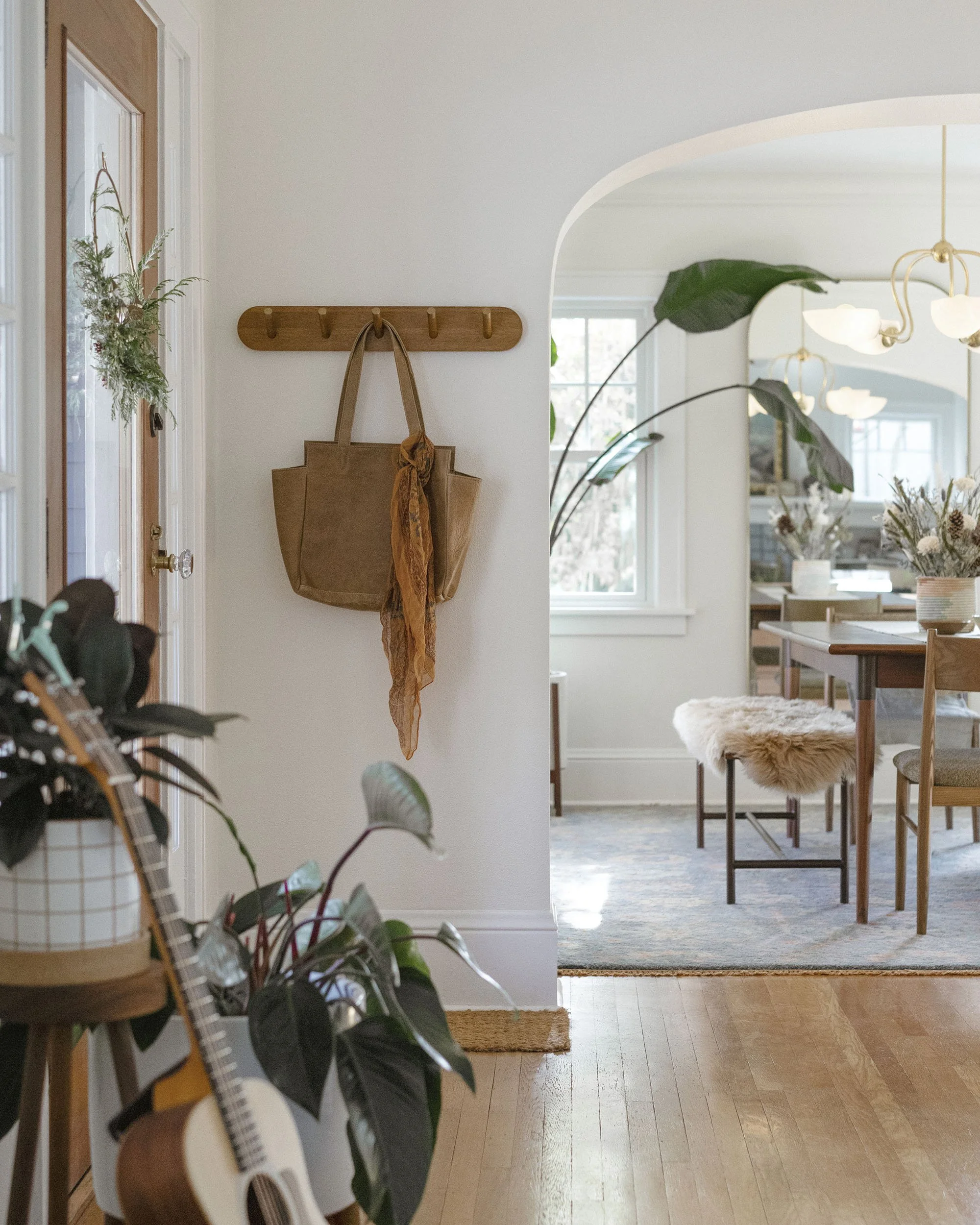
Wood, linen, wool, leather, and ceramics introduce softness and visual warmth — creating a room that feels grounded instead of sterile.
Lighting: The Invisible Architect
You can paint a room the warmest shade imaginable, but if it’s lit with 5000K “daylight” bulbs, it will still feel like a hospital.
Lighting doesn’t just illuminate a space — it sets the emotional tone.
The sweet spot for residential interiors is 2700K.
It mimics golden-hour light: soft, warm, and flattering.
Even more important than bulb temperature?
Where the light lives.
Overhead lighting flattens a room.
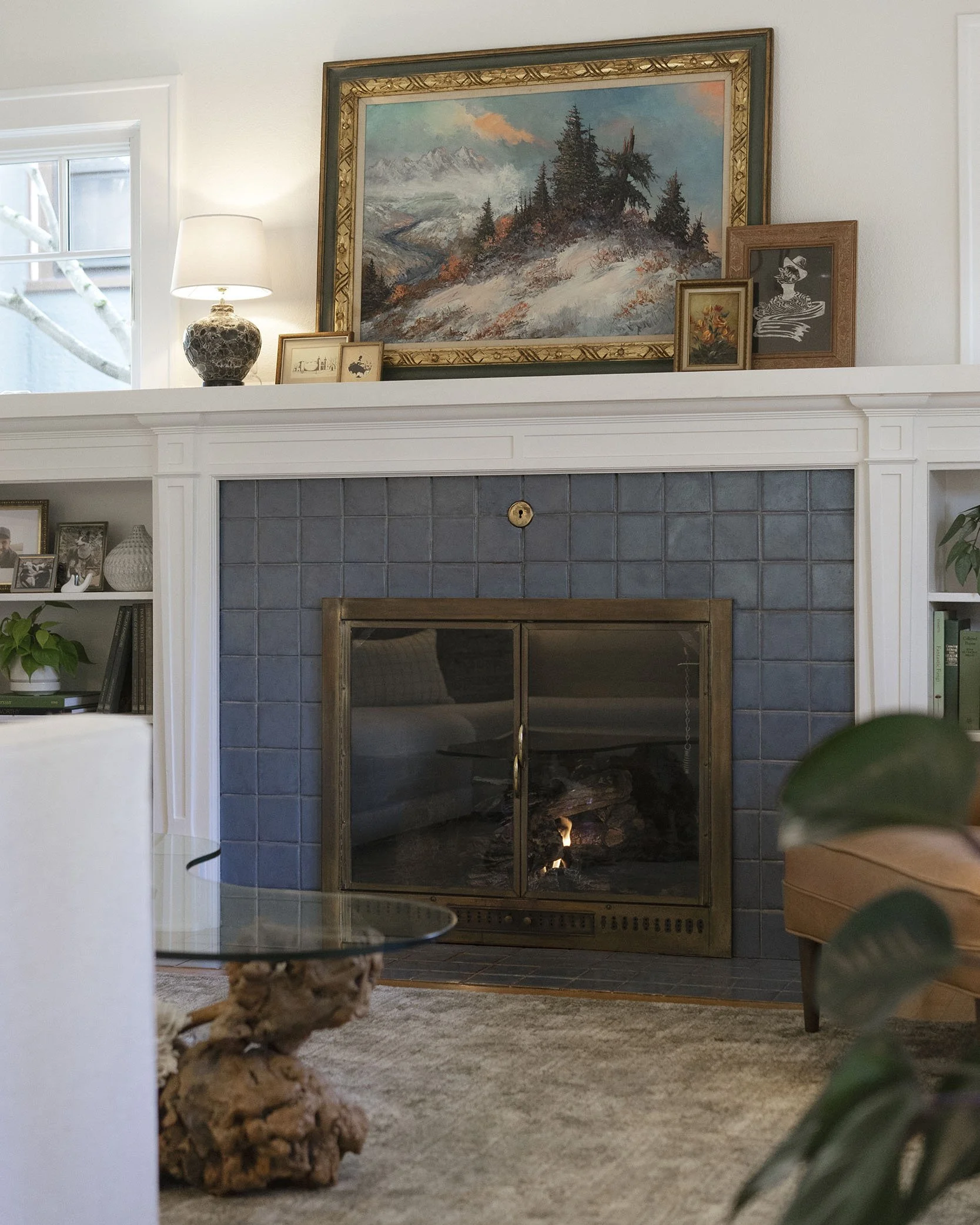
Eye-level lighting creates atmosphere.
Table lamps, floor lamps, sconces, and accent lighting introduce glow instead of glare — allowing shadows to exist and making a space feel layered and lived-in.
Warmth comes from the quality of light, not the brightness of it.
Creating Depth through Contrast & Shadow
A room with no shadows feels flat. And flat rooms don’t feel cozy. Contrast creates depth, and depth creates comfort.
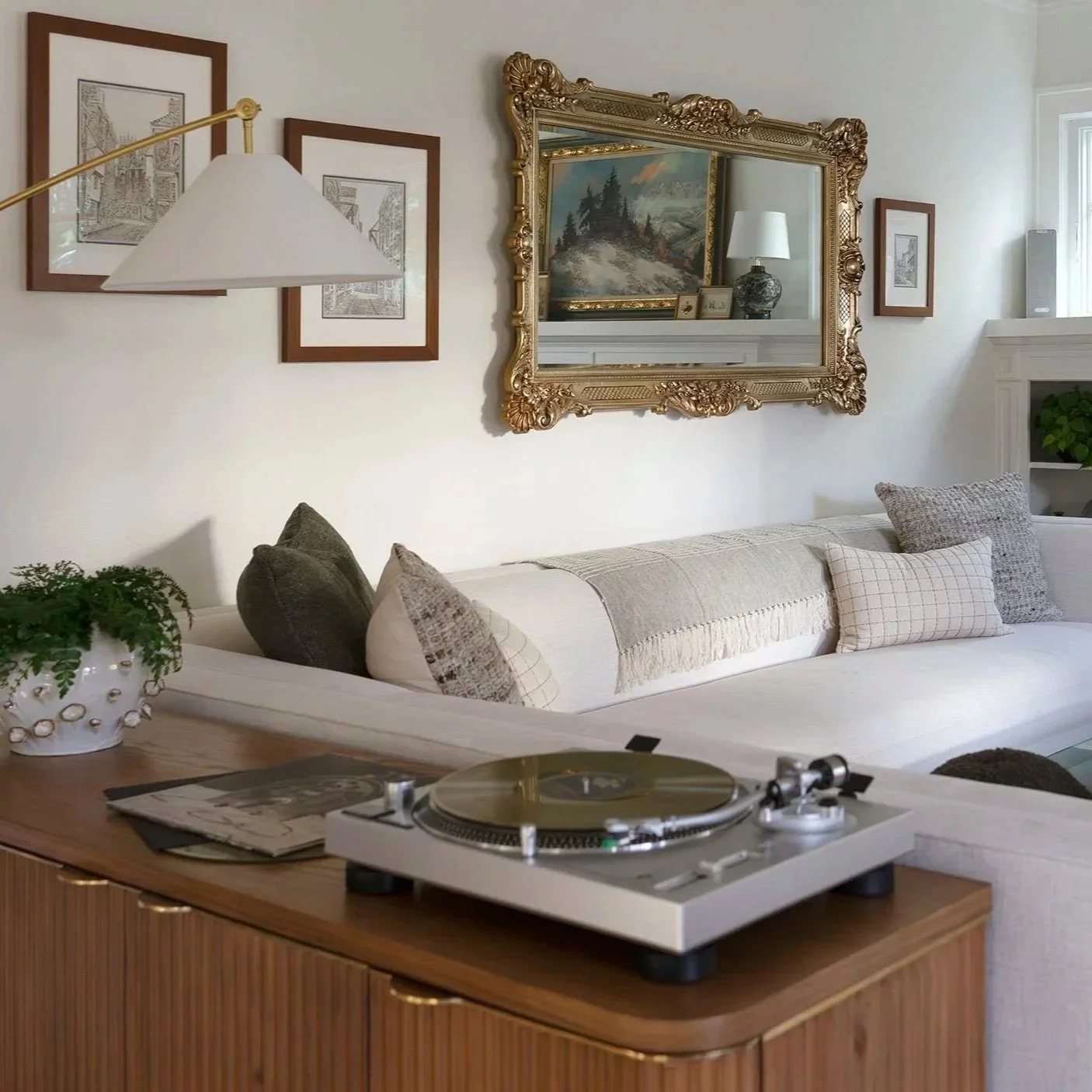
I often introduce what I call a grounding element to balance lighter tones — something with visual weight:
A dark wood console
A vintage mirror
A velvet pillow
A warm metal finish
In lighter spaces, this single “heavy” piece anchors the room and adds richness without making it feel dark.
Cozy rooms aren’t uniformly bright. They have highlights, lowlights, and moments of visual pause.
Shadow is part of the warmth.
Plants & Organic Shapes
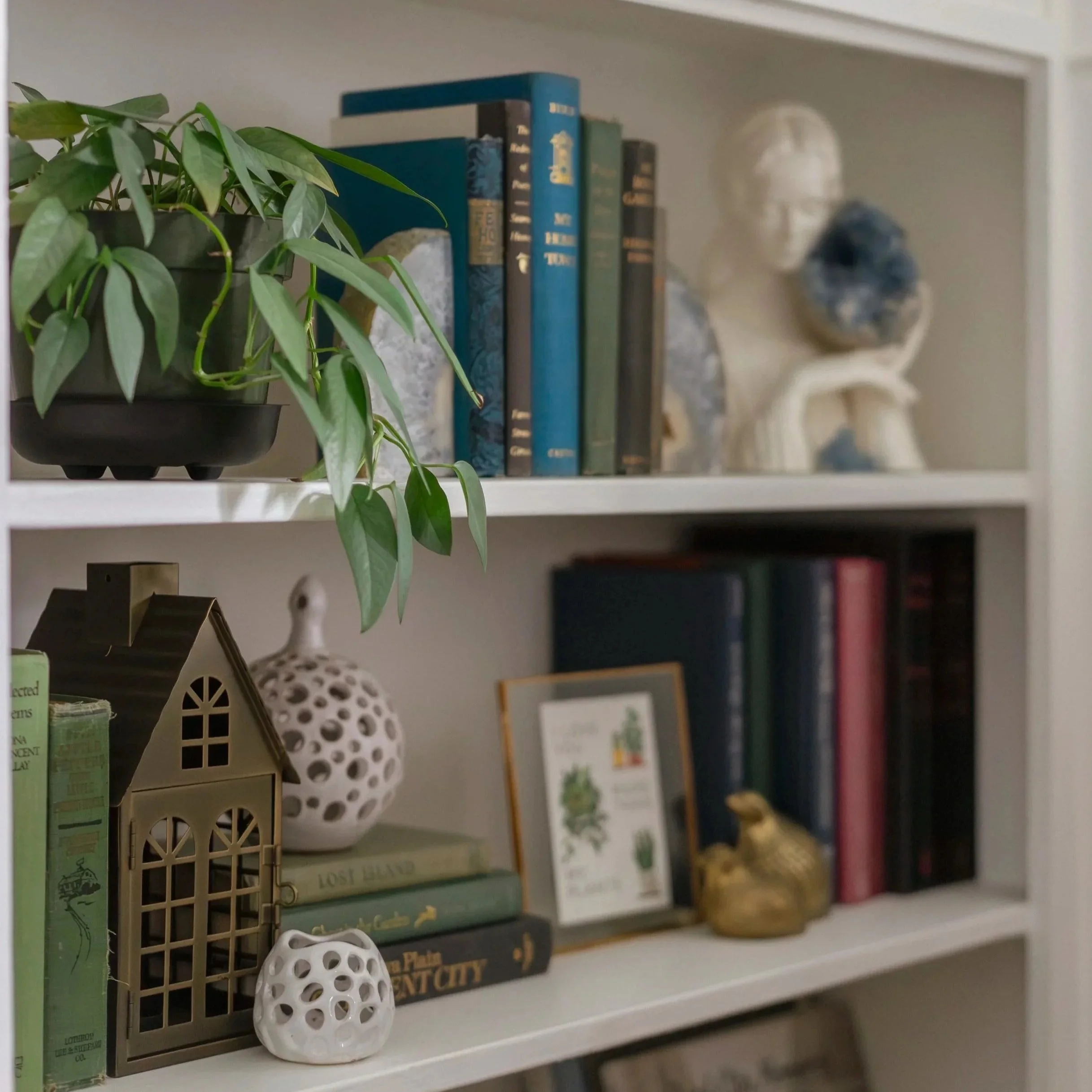
Nature softens a space in ways no manufactured object ever can.
Plants, branches, imperfect ceramics, stone, wood grain — these organic elements introduce movement and life. They break up rigid lines and bring a sense of calm that feels instinctively comforting.
Warm rooms don’t feel overly styled.
They feel alive.
Even one organic element can shift the entire energy of a space.
The Luxury of Negative Space
Here’s a design myth worth retiring:
Cozy does not mean cluttered.
True warmth comes from intention, not excess.
Quiet zones — empty shelves, open wall space, breathing room around furniture — allow the eye to rest and actually appreciate the materials you’ve chosen.
When every surface is filled, the room feels chaotic.
When space is intentional, the room feels calm.
Warmth lives in the balance between what’s there and what’s not.
Final Thought
Use this checklist to evaluate any room in your home. If your space is missing one of these, that’s usually where the “cold” or unwelcoming feeling comes from.
Warmth isn't something you buy; it's something you layer. It’s the difference between a house that looks finished and a home that feels lived in. And when you get the balance right, your home doesn’t just look beautiful — it feels like a place you want to linger.
If you’d like help creating a home that feels as good as it looks, I’d love to guide you!
Questions About This Project
-
Paint color is only one layer of a room's atmosphere. A warm-toned wall can still read cold if the lighting is harsh, the materials are hard and reflective, or there's no visual weight to anchor the space. Warmth is built through the combination of tactile materials, light quality, contrast, and intentional breathing room — not any single element on its own.
-
2700K is the sweet spot for residential interiors. It mimics golden-hour light and reads as soft and flattering rather than clinical. Bulbs labeled "daylight" typically run 5000K or higher, which creates a cool, bright quality that works against the warm atmosphere most people are after.
-
Wood, linen, wool, leather, and ceramics all read as warm because they absorb light rather than reflect it. The contrast between a hard surface and a soft one is what actually creates the feeling of warmth — a marble countertop feels more inviting next to wooden stools, and a glass coffee table softens when grounded by a wool rug.
-
No. True warmth comes from intention, not excess. Quiet zones — empty shelves, breathing room around furniture, open wall space — allow the eye to rest and actually appreciate the materials you have chosen. Shadow and contrast create depth, and depth creates comfort. A room can feel warm and still feel calm and edited.
